

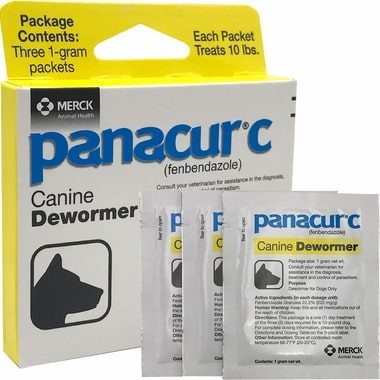
The idea that a common dewormer might play a role in cancer care has sparked enormous interest among pet owners and researchers alike. Across forums, testimonials, and emerging laboratory data, questions continue to circulate:
- Is fenbendazole for cancer legitimate?
- Is this really a dog dewormer for cancer?
- Does dog dewormer cure cancer?
- Could fenbendazole for cat cancer work the same way?
While the excitement is understandable, it’s important to separate early findings from confirmed medical conclusions. Here’s what current cancer research suggests—and how immune-focused support may fit into a broader wellness strategy.
Research on Fenbendazole for Cancer in Pets
Fenbendazole is a widely used antiparasitic medication found in products such as Panacur C. Traditionally, it has been used to treat intestinal worms in dogs and other animals. However, laboratory-based cancer research has identified intriguing properties that may influence how certain tumor cells behave.
Preclinical studies suggest that fenbendazole may:
- Disrupt microtubule function in rapidly dividing cells
- Interfere with glucose uptake in tumor cells
- Potentially alter cellular energy pathways
- Influence immune responses in experimental models
Microtubules are structural components that cancer cells rely on for replication. Many established anticancer drugs (including some chemotherapies) target microtubules as well. Because fenbendazole affects similar pathways, researchers have explored whether it might influence certain types of cancer.
It is important to emphasize that most evidence remains preclinical or anecdotal. Controlled veterinary oncology trials are still limited.
The Joe Tippens Story and Public Interest
One of the most widely discussed cases involves Joe Tippens, who publicly shared his experience using fenbendazole during treatment for small cell lung cancer. His story, combined with reports from others, significantly increased public interest in fenbendazole cancer treatment.
However, anecdotal reports—even compelling ones—do not replace peer-reviewed clinical trials. Many patients using fenbendazole have also combined it with:
- Curcumin
- CBD
- Vitamin E
- Conventional cancer therapies
This makes it difficult to isolate which factor contributed to outcomes.
Still, the volume of testimonials has encouraged continued investigation into fenbendazole for cancer and its possible mechanisms.
Does Dog Dewormer Cure Cancer?
This is one of the most common and controversial questions: does dog dewormer cure cancer?
At this time, there is no definitive clinical evidence proving that fenbendazole cures cancer in dogs, cats, or humans. The phrase “dog dewormer cured cancer” frequently appears online, but it reflects anecdotal reporting rather than validated medical consensus.
Cancer is complex. Different types of cancer behave differently, respond differently to treatment, and involve unique genetic pathways. While some laboratory findings are promising, it would be inaccurate and irresponsible to claim a universal cure.
What research does suggest is that fenbendazole may influence certain cancer cell processes in experimental models. That distinction matters.
How Fenbendazole May Affect Tumor Cells
Cancer cells depend on rapid replication and altered metabolism to survive. Fenbendazole appears to affect tumor cells in several potential ways:
1. Microtubule Disruption
By interfering with microtubules, fenbendazole may limit cancer cell division.
2. Metabolic Interference
Some studies indicate that fenbendazole may reduce glucose uptake in tumor cells. Because many cancer cells rely heavily on sugar metabolism (the Warburg effect), this could potentially stress cancer growth.
3. Immune Modulation
Emerging research suggests fenbendazole may influence immune responses, possibly enhancing immune surveillance in certain contexts.
However, these mechanisms are primarily observed in lab settings—not large-scale clinical veterinary trials.
Fenbendazole for Cat Cancer and Dog Cancer
Interest in fenbendazole for cat cancer mirrors that in dogs. Pet owners dealing with diagnoses such as:
- Lymphoma
- Osteosarcoma
- Mast cell tumors
- Mammary cancer
- Hemangiosarcoma
have searched for complementary approaches beyond traditional chemotherapy or radiation.
Fenbendazole is sometimes discussed as a supportive option due to:
- Its long history of veterinary use as a dewormer
- Generally low reported toxicity at labeled doses
- Preliminary cancer research findings
Still, veterinary consultation is essential. Cancer treatment decisions should never be made without professional guidance.
Side Effects and Safety Considerations
One reason fenbendazole gained attention is its safety profile as a dewormer. When used as directed for parasitic infections, reported side effects are generally minimal.
However, higher or prolonged dosing for cancer support has not been thoroughly studied in large veterinary cancer populations.
Potential concerns include:
- Liver strain with long-term use
- Digestive upset
- Interactions with other medications
Claims that fenbendazole has “no side effects” oversimplify the issue. Any compound capable of influencing cellular division deserves thoughtful oversight.
The Role of Immune Support in Cancer Care
While debate continues around fenbendazole cancer treatment, one area of agreement among researchers is the importance of immune function.
Cancer progression is deeply tied to the body’s immune responses. A compromised immune system may struggle to identify and eliminate abnormal cells.
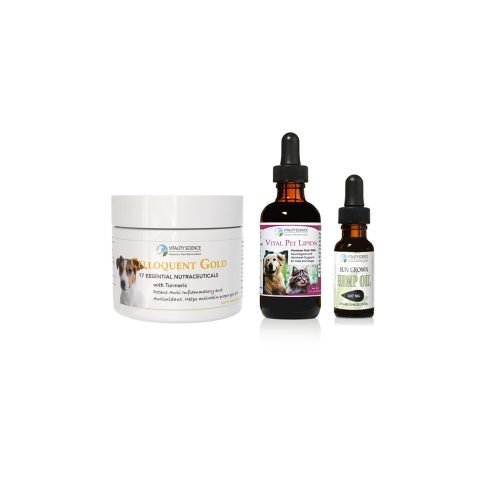
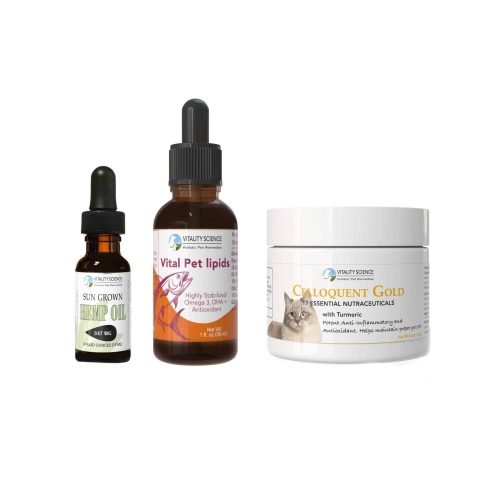
Vitality Science has long focused on immune-supportive nutrition as a foundational strategy. Rather than positioning fenbendazole as a standalone solution, we view immune support as essential regardless of treatment path.
The Advanced Immune Gold Protocol
Advanced Immune Gold was developed to support cellular health, mitochondrial function, and balanced immune responses. It includes synergistic nutrients such as:
Essential Fatty Acids
Sulfur-bearing amino acids like methionine and cysteine help support cellular energy processes.
Mitochondrial Support
PQQ and CoQ10 are included to promote mitochondrial efficiency, which plays a role in cellular resilience.
Modified Citrus Pectin
May help reduce cellular adhesion, potentially influencing how tumor cells cluster.
Additional Nutrients
CBD, turmeric, vitamin C derivatives, spirulina, zinc carnosine, bromelain, lactoferrin, and fiber compounds all contribute to immune optimization.
This multi-nutrient strategy is designed to support the terrain of the body—not simply target tumor cells directly.
How Fenbendazole Fits into a Broader Strategy
At Vitality Science, we do not sell fenbendazole itself. Instead, we provide immune-supportive protocols that some pet owners choose to combine with veterinary-guided fenbendazole use.
If used, many anecdotal protocols follow a “three days on, four days off” schedule. However, dosing decisions should always involve a veterinarian, particularly in animals with liver conditions.
Combining immune support with conventional care and veterinary oversight offers a more balanced, integrative approach than relying solely on a dewormer.
Why Skepticism Exists
Skepticism around fenbendazole for cancer stems from valid scientific caution:
- Large-scale controlled trials are limited
- Mechanisms are still being studied
- Outcomes vary widely between cancer types
Oncology professionals rely on evidence-based medicine. Until randomized clinical trials confirm efficacy, fenbendazole will remain in the exploratory stage.
That said, cancer research continues to investigate metabolic therapies, immune modulation, and microtubule-disrupting compounds—categories in which fenbendazole appears to have activity.
Fenbendazole Cancer Treatment: The Balanced Takeaway
The idea that a common dewormer could influence cancer biology is compelling. Early laboratory findings and anecdotal reports have sparked meaningful discussion within the veterinary community and beyond.
However:
- There is no conclusive evidence that dog dewormer cured cancer.
- Does dog dewormer cure cancer? Not according to current clinical standards.
- Fenbendazole for cancer remains under investigation.
What we do know is that immune function, mitochondrial health, and inflammation regulation are central to overall resilience in pets facing serious illness.
At Vitality Science, our focus remains on strengthening the immune foundation. Whether used alongside conventional therapies or integrative approaches, supporting immune responses may improve quality of life and systemic balance.
For pet parents exploring options, informed decisions guided by veterinary professionals are essential.
Cancer is complex. There are no magic bullets. But there is value in continuing responsible research, asking thoughtful questions, and supporting the body’s natural defenses along the way.





I’m confused about the maintenance dose. It says 400 mg, but don’t the packets come in 1000 mg? Do you give a little less than half or have to measure this out with a proper scale? When you’re doing the OFF days, can you still give supplements, like cbd, mushrooms or turmeric paste?
In the off days from fenbendazole continue your other supplements. There is no set maintenance dose. Sometimes the maintenance dose can be as little as a quarter of the therapeutic dose, but it must be given with a watchful eye as cancer is well known to reemerge even stronger after treatment.
Our german shepherd has been diagnosed with a melanoma cancer in his mouth. It started out just over a month ago coincidentally when he got hit on the nose with a gate. It started swelling up that very day so we thought it was from the gate. Took him to the vet about 5 days later when the swelling did not go down but appeared to enlarge. Vet suggested we take him to a hospital where an ocologist could check it out. Oncologist says it is a melanoma and to cure him it would mean taking off half his nose. For us that was a no go. I have been giving him fenbendazole since February 4. The tumor is still growing. I tried to give him celloquent gold but he refuses to eat food with that in it. I’m giving him 4mg fenbenzadole a day. Should I give more?
It is importat that you give it with the whole Advanced Immune GOLD protocol. The oils help the Fenben to be absorbed and the Celloquent helps it to be detoxed. We recommend the deworming dose but it is possible to give more. Increase it slowly and watch for lethargy or lack of appetite. I have heard of very high doses offering remarkable results. Give the Celloquent in as high a dose as you can, at lease double the dose. Give it by oral syringe if necessary and force him to take it. I know some animals are finicky when it comes to taking supplements. This blog post may be of help https://vitalityscience.com/tips-tricks-and-tough-love-in-the-administration-of-supplements/ I am so sorry about this. May God bless your household. May God’s love fill your sweet dog and heal him.
I have a 9 yr old catahoola with cancer what dosing recomendations do you suggest using febendazol and ivermactin
We recommend Fenbendazole to be given every day according to the deworming dose on your package. It must be given with Advance Immune Restoration GOLD to be properly absorbed and detoxed.
My dog has cancer what dosages of ivomec and or febendazol do you recommend?
Hello.
What little science there is around this issue suggests that Fenbendazole when mixed with CBD oil will block the cancer receptors. If you then add in the advanced immune restoration GOLD protocol then we have great success.
As for the fenbendazole you would give 1g per every 10lbs of animal once a day with the cbd oil.
https://vitalityscience.com/product/advanced-immune-gold-dog-cancer/
please let us know how else we can help
Take care
LeLa
Has there been any success in treating FELV positive cats with fenbendazole? If so, what is the protocol and can you refer me to any additional online information? Thank you.
Fenbendazole with CBD oil is a cancer receptor blocker. You would give 222mg of fenbendazole per every 10lbs. The science is limited because, well, its illegal to cure cancer :( We have had great results with our Advanced Immune Restoration Protocol https://vitalityscience.com/product/advanced-immune-restoration/ and cats with FELV positive. They can be given together or just with the protocol.
Please let us know if you have any other questions
LeLa