

TL;DR: Your dog eats poop because something is off internally, most often digestion or gut balance, not because they are misbehaving. When you fix what is driving the behavior, the habit usually fades on its own.
- Poor digestion leaves nutrients in stool, which makes it appealing to your dog
- Gut imbalance can drive your dog to seek out feces to correct it
- The behavior becomes a learned loop that reinforces itself over time
- Eating poop can expose your dog to parasites, bacteria, and toxins
- Lasting change comes from improving digestion and gut health, not just stopping the behavior
You catch your dog in the yard and can’t help but grimace as your stomach drops at the same time—your best friend decided to have a stomach-turning snack. It’s unsettling, confusing, and to be completely honest? Gross with a little bit of embarrassment on top.
How many times out of bewilderment have you asked your dog (as if they would answer): Why do dogs eat poop?!
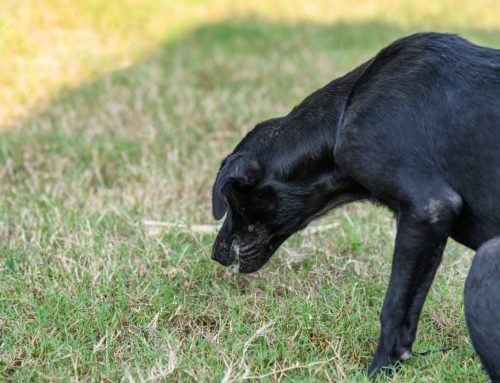
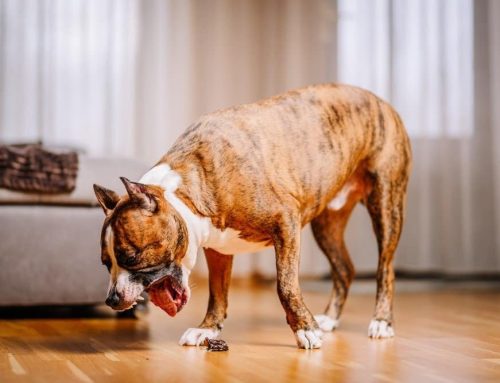
First, you’re not dealing with a ‘bad’ dog. Your dog’s behavior is known as coprophagia, which points to something deeper happening in your dog’s body or environment.
We’ll share why coprophagia happens, what it means for your best friend’s health, and how to stop your dog from eating poop through digestion improvements. Then, we’ll walk you through what helps stop the behavior.
Why Your Dog Eats Poop and What’s Behind It?
16% (or one in six dogs, according to one of the only Benjamin Hart’s UC Davis study, The paradox of canine conspecific coprophagy) are unfortunately classified as ‘serious’ poop eaters. The answer is: more than one cause can be at play and each one points to different kinds of support your dog needs.
Nutrient Deficiencies and Poor Digestion
Dogs will eat stool because their bodies aren’t absorbing the nutrients they need from their food. When digestion is poor, undigested proteins, fats, vitamins, or all three pass through and remain in the stools. To your dog that smells like food.
If your best friend can’t break down and use what they eat, their body and instincts will find another way to recover what’s needed.
Gut Microbiome Is Unbalances
Your pup’s gut contains trillions of good bacteria. Our guts work the same way, which is why digestive issues can be traced back to an imbalance in both. The bacteria in your dog’s gut regulate their digestion and support their immune system.
They also influence their behavior. When harmful bacteria outweigh the beneficial, your dog instinctively seeks out feces to rebalance their microbiome.
Parasites
Internal parasites compete for any nutrients and will disrupt digestion. A dog with parasites often behaves or feels hungrier than usual, turning to stool as a secondary food source. If this is a new, sudden behavior in your dog, a parasite screening is worth pursuing.
Behavioral and Emotional Aspects
It isn’t always physical.
Dogs may consume feces out of boredom or when feeling anxious. Sometimes it is a learned behavior that has never been corrected. Others, sadly, can associate elimination with punishment. They will try to protect themselves by ‘hiding the evidence.’
Enzyme Deficiency
Digestive enzymes break down food into absorbable nutrients. Without enough enzymes, food remains partially undigested, which makes stool appealing, reinforcing the cycle.
Is It Safe for Dogs to Eat Their Own Poop?
It is not immediately dangerous, but it is also not a behavior to ignore. Stool can contain parasites and harmful bacteria or toxins that re-enter your dog’s system. As this repeats, it stresses the immune system, worsening gut imbalance.
If your dog is eating another animal’s feces, the risks are much more significant. Exposure to viruses and other foreign pathogens increases.
Why Is This Behavior So Hard to Break?
Once habits begin, without proper correction, it sticks. Not because your dog is being stubborn but because this behavior reinforces itself. Once it starts it becomes a loop:
- Need in the body → found in the stool → eaten → need temporarily satisfied → brain marks it as useful → behavior repeats
Once the behavior repeats a few times, it becomes automatic before you have a chance to interrupt it. Simple deterrents or corrections rarely hold if you are attempting to override a pattern that the body has decided its useful.
It’s when you change what’s happening inside thatthe drive behind this instinctual behavior fades. Without the drive, there’s no push for the habit.

How To Stop Your Dog From Eating Poop with Home Remedies
Are you already thinking and searching for the answer? That means you’re already taking the right steps in the right direction. Addressing the underlying issue is what causes real, lasting change.
1. Improve their Digestive Function
Add digestive enzymes to support stomach acid. Gradually shift to a whole-food diet or a higher-quality food formulation to reduce undigested waste.
2. Support Your Pup’s Gut Microbiome
Soil-based probiotics help restore gut balance. Unlike generic and conventional probiotics, soil-based probiotics survive stomach acid and reach the intestinal tract.
3. Clean Up Immediately
Don’t leave it. Remove and discard stool as quickly as you can to prevent access, breaking the habit loop. Even a few opportunities can reinforce their behavior.
4. Increase Their Mental and Physical Stimulation
Bored dogs will seek stimulation anywhere they can find it. Try daily walks, enriching puzzles or toys, and interactive play that reduces the likelihood of scavenging behavior.
Pumpkin or Pineapple note: You might encounter well-meaning advice from other dog owners about utilizing pumpkin or pineapple to reliably stop coprophagia in dogs. Unfortunately, at the time of writing this, there are no controlled scientific studies in vet medicine that support this explicitly.
There is evidence that suggests pumpkin fiber and moisture help with your dog’s stool quality if they suffer from mild diarrhea, constipation or anal gland issues.
Vitality Science: Let’s Rebuild Your Best Friend’s Gut & Stop Behavior at the Source
Vitality Science formulations are specifically created to support your best friend’s entire digestive ecosystem. We don’t ‘mask’ symptoms, we treat them.
Your dog is eating poop; their body might be signaling a deeper digestive or nutritional imbalance. Problems with digestion or nutrient uptake can fuel this occasionally distressing behavior.
Our digestive and stomach health solutions are designed to support smoother digestion. They also help your dog get more out of the food they’re already eating. Over time, better gut support can make it easier for your dog to leave poop alone—talk with your veterinarian about whether adding a targeted digestive supplement fits into your dog’s care plan.
FAQs About Dogs Eating Poop
Why do dogs eat poop?
Dogs eat poop due to nutrient deficiencies, poor digestion, microbiome imbalance, parasites, or behavioral factors like boredom or anxiety.
How do I stop my dog from eating poop?
Improve digestion, support gut health with probiotics, clean up stool quickly, and provide mental stimulation. Addressing root causes leads to lasting results.
Is it normal for dogs to eat their own poop?
It can be normal in puppies or specific situations, but frequent behavior in adult dogs usually signals an underlying issue.
Why does my puppy eat poop?
Puppies often explore the world with their mouths. They may mimic their mother’s cleaning behavior or investigate new scents and textures.
Can eating poop make my dog sick?
Yes. It can expose your dog to parasites, harmful bacteria, and toxins, especially when consuming feces from other animals.


Leave A Comment