


Does your cat throw up white foam?
If you see your cats throwing up white foam, you may be concerned. After all, humans tend to vomit due to an illness — sometimes a severe illness. However, the action and causes for a cat throwing up white foam is actually quite common. If you notice your cat exhibiting such behavior, it’s important to know the possible causes of the vomiting. Then you can decide whether you should take your feline fur baby to the vet.
1. Hairballs
One of the most common causes of a cat throwing up white foam is a hairball. Hairballs occur because when cats groom themselves, they end up swallowing some of their hair. This turns into a hairball in the cats’ digestive systems. Cats should be able to digest this fur — after all, they eat critters with fur and are constant groomers. When hairballs become a problem, it is usually a sign of a lack of digestive enzymes, a problem that is particularly prevalent in older cats.
2. Dietary Changes
Another factor that can cause your cat to throw up white foam is dietary change. Cats sometimes protest changes to their diet by rejecting a meal or eating later than normal. Whether a cat eats or not, her body will produce the digestive juices necessary to break down food. The result is often vomiting.
For the same reason, a change to your cat’s feeding schedule can lead to vomiting white foam.
3. Stomach Inflammation
When stomach inflammation (called gastritis) is the cause of your cat throwing up white foam, it may be accompanied by a lack of appetite. Your cat may vomit bile or blood in addition to the white foam.
Causes for Concern When Your Cats Are Throwing Up White Foam
If your cat is just responding to a change in feeding or has the occasional a hairball, you can relax. However, if your cat’s vomiting is due to gastritis, a visit to the vet may be in order. Other symptoms of gastritis may include sluggishness, dehydration, depression, and stomach discomfort.
Cats eat hair; that’s a fact.
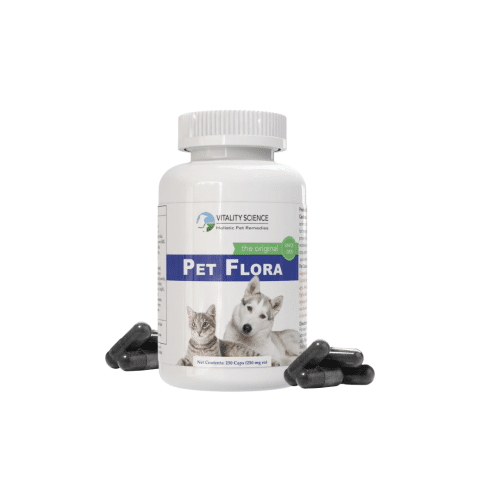
However, they should be able to digest that hair. Sometimes cats need a little help with their digestion. For hairballs, stomach inflammation, and dietary changes, try a combination of Vitality Science’s Pet Flora, Luxolite and Super Pet Enzymes.
“Consistant Results!
I have been using this product [Pet Flora] since 2005. Kittens and adult cats sometimes have issues regarding their regularity. It works overnight! A ‘can’t miss’ product. I’m never without it…” -Catherine C., Vitality Science Customer







Hi i have a 6 year old Japanese bobtail. She recently started throwing up this morning. It was the first time yellow with chunks every time after that its been white foamy bile. I tried keeping her away from food and water to see if that would help. But she hasnt gone to eat anything and threw up again. Its been a good 9 times since this happened. Its like 3 small piles . I dont know what to do. Im panicking. I need some answers. I just want my fur baby to be okay and feel better.
Seems like she ate something toxic. If it gets worse or doesn’t resolve in a few days, go to a vet. We have programs for chronic cases (long term treatment resistant). Check out Gastro Prime on our web site.
hello my kitten vomit white foam with liquid, not want to eat but he drink, i just feed her morning afternoon skip meal at evening he vomit not he doesnt want to eat.
The problem is probably the diet. See my food recommendations below.
Guidance On Food
We recommend what not to feed. Especially avoid corn, wheat and soy and for some pets carragenan and guar gum. Next, for many pets but not all, no grains and no chicken.
Next, unless dry is all the pet will eat, no dry. Dry food dries them out. (Who’d would have guessed!) Canned is not so great either. Imagine yourself living out of cans! Canned and dry food are devoid of enzymes and the proteins are denatured. These deficiencies can be remedied with supplements.
The best is raw but some domesticated animals cannot handle raw. We feed Nature’s Variety frozen raw carried by most large pet stores. Nature’s Variety also sells a very good canned and dry. That said not all animals will eat Nature’s Variety.
Of all the proteins, rabbit, lamb and venison are the best. Avoid all birds (chicken, turkey, duck) since many pets are allergic to them, especially the chicken.
All food changes should be done incrementally. A 10% change per day is recommended. If at any time the GI problems get worse, then that food is not recommended.
Avoid too many variables by using only “single protein, limited ingredient” foods, We recommend Instinct Pet Food.
If your cat or dog has a thyroid condition, avoid lamb, venison, and chicken as they are too energetically hot. For hyperthyroid cats and dogs, duck, rabbit and pork are beneficial. Also, for hyperthyroid animals avoid seafood and supplemental iodine.
For FIP cats no pea protein.
For cats and dogs with a kidney condition no beef, buffalo, or Bison. (Too many inflammatory factors.) Glandular extracts are OK. High protein raw diets are recommended by many holistic vets but not seafood. (Too much phosphorus.
Super Carnivore Bone Broth Supplement
Bone broth can be bought frozen, shelf stable, and refrigerated. But the best bone broth is home made.
(1) Breville Slow Cooker is recommended. A very slow slow cooker is necessary so that the bones can cook for days.
(2) Ingredients: 5 lbs bones, 5 table spoons Apple Cider Vinegar, clean water
(3) Cook on low setting for at least 48 hours. Stop when bones are brittle.
(4) Although bone broth could be a staple food. It is time consuming to make so the dosages should be adjusted for weight. At least a few teaspoons for a 10 lb animal and a few ounces or more for a 100 pound animal
Fermented Fish Stock
You can buy frozen, pre-made fermented fish stock from Answers Pet Food, which has helped quite a few very very difficult cases.
Hi, my 6 year old female cat just started throwing up small piles of clear and sometimes white/yellowish foam. Mostly only seen in the mornings and will wake from her sleep to do it. Still eating and drinking normally.
We have stabilized thousands of similar cats with our Gastro Prime Protocol. I will send more info food, water, and supplement recommendations by email.
My 8 year old male tabby has been throwing up foam for 3 days now. He only does it once a day, but is not eating. He is acting normal, but refuses to eat and I am not seeing him drink. He is still using the cat pan though, so it may be when I’m not looking or at work. Do I give him a few days or what?
Lets give it a couple more days, then you will have to get proactive. I recommend the Gastro Prime. Get back to me. I will email you.
My 9 year old Female Tabby/Maine coon, recently started vomiting the white foam with clear slimy liquid. They are indoor cats so my mom came by with some cat grass. They loved it, but a day or 2 later I started noticed the piles of foam.. she is eating and drinking and has wanted more cat grass. She’s eaten soon of it but not like the first batch. I’m use to her vomiting cat food because she eats a lot (she will only eat dry food) then vomits it up… she hasn’t been eating a lot and she constantly wants to lay on me. But the vomiting is 2 or 3 times a day every day. Could it have been the cat grass?
The cat grass is causing the white foam to come up but it is not the cause. Food is your first suspect and then water, and then medications, especially vaccines. I will send relevant docs to your email address.