

TL;DR: Find answers about why your dog may throw up undigested food, how you can tell vomiting from regurgitation, and when you should monitor at home versus call your vet.
- If food comes up suddenly with little effort and still looks whole, your dog is likely regurgitating. If your dog drools, retches, heaves, or brings up sour-smelling food, bile, or foam, your dog is likely vomiting.
- Your dog may throw up undigested food because they eat too fast, eat too much at once, feel stressed during meals, react to a food change, have a food sensitivity, or have an esophageal or motility issue.
- One episode after a rushed meal may not signal an emergency, but repeated vomiting or regurgitation is not normal. You should track timing, frequency, food appearance, and other symptoms.
- Call your vet if your dog has repeated episodes over 24 to 48 hours, lethargy, fever, belly pain, bloating, blood, tarry stool, coughing, rapid breathing, weakness, pale gums, or unproductive retching.
- You can help reduce mild, non-emergency episodes by feeding smaller meals, using a slow feeder, keeping mealtimes calm, preventing rough play around meals, and working with your vet if the pattern continues.
You’re muttering to yourself again as you wipe up a pile of food that looks almost exactly like what you just poured into your dog’s bowl. You’re frustrated and immediately concerned. Not at all because of the mess, but because your mind is racing: why is my dog throwing up undigested food? Did I feed him the wrong thing, or is there something wrong with her stomach?
A dog throwing up undigested food can be your dog’s way of saying that something in their digestion may not be working the way nature intended.
If you can understand what that something is, or might be, you’re no longer helpless—but armed with what you need to know to decide if this is a moment for calm, watchful reassurance, a clear signal to call the vet, or rethink their diet and supplementation. Let’s dig in.
Is it Vomiting or Regurgitation, and How Can You Tell?
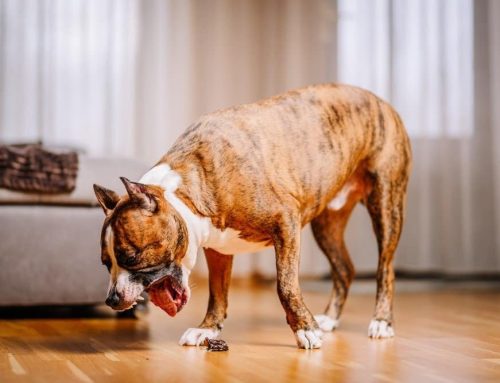
When your dog throws up food that still looks like the dinner you just gave them, the first question that may jump to mind isn’t ‘why is my dog throwing up undigested food?’ but ‘what’s really happening?’ Is it really vomiting, or is it regurgitating?
If the food comes up suddenly without much warning, still shaped like kibble or like a soft ‘log,’ and your dog is not straining or heaving, that’s usually regurgitation. It means the food never reached the stomach, remaining in the esophagus.
If your dog is drooling, licking their lips, pacing, then hunches, retches, and actively heaves before bringing up particularly digested, often sour-smelling material, that’s vomiting.
Vomit may have yellow bile, foam, or a strong acidic odor, which tells you the stomach and upper intestines are likely involved.
Why does this distinction matter? Because regurgitation often points to esophageal issues or simple mechanical problems like eating too fast, while vomiting suggests irritation or imbalance further down the digestive tract.
Is Your Dog Throwing Up Undigested Food, but Acting Normal?
It’s very confusing to watch your dog throw up undigested food and then go right back to the zoomies, his favorite toy, or begging for another meal. In that moment you’re caught between relief and worry, trying to decide if this is just one odd episode or a sign your dog’s digestion needs genuine attention.
Dogs, unfortunately, are masters of masking discomfort. A dog can wag, play, and still might be silently dealing with chronic reflux, delayed stomach emptying, or early esophageal changes. So will a one-time event in a bright, happy dog may not seem like an emergency: if it becomes a pattern, don’t ignore it.
What Causes a Dog to Throw Up Undigested Food?
Once you’ve watched a few episodes closely—timing, effort, how the food looks—you can start to ask, “What causes a dog to throw up undigested food in this particular body?”
Here are some of the most common patterns:
Fast eating and big meals
Many dogs gulp food so quickly that it piles up in the esophagus or hits the stomach like a brick, overwhelming the body’s ability to start digestion. Gravity, not enzymes, ends up doing most of the work—and sometimes gravity loses.
Stress and mealtime anxiety
A dog who eats while another dog hovers, or in a noisy, chaotic space, will activate stress chemistry instead of the “rest and digest” state. The nervous system literally pulls blood away from digestion, making undigested food episodes more likely.
Food sensitivities and diet changes
Sudden switches in food, hidden ingredients, or long‑term low‑grade intolerances can irritate the gut, leading to vomiting of poorly processed food. This often travels with soft stool, gas, or itchy skin—clues that the immune system is involved, not just mechanics.
Esophageal and motility issues
Conditions like megaesophagus, esophageal strictures, or motility disorders weaken the wave‑like movements that should carry food into the stomach. Food lingers, then comes back up undigested, and over time these dogs are at higher risk for aspiration pneumonia if material passes into the lungs.petmd+2
Deeper systemic disease
Pancreatitis, kidney disease, hormonal disorders, foreign bodies, or infections can all show up as vomiting undigested or partially digested food, especially when signs like lethargy, pain, or fever join the picture. This is when you stop thinking “quirky digestion” and start thinking “urgent vet visit.”
Is it Really Normal for Dogs to Throw Up Undigested Food?
A single episode after a too-fast meal can fall into the, “normal, but not ideal (or fun)” category. It’s common enough that veterinarians see vomiting and regurgitation as one of the leading reasons pet guardians bring their dogs in, and not every case, thankfully, hides a crisis.
But is it safe to ignore if it keeps happening?
No.
Normalized, repeated vomiting or regurgitation is never just “that’s how she is.” It’s a signal that digestion, or parts of the digestive track need attention.

What Red Flags Shouldn’t Be Ignored?
Trust your intuition. You know your dog best. If your gut insists it feels off, honor it. But here are specific red flags that deserve getting them to a vet evaluation and skipping ‘wait and see’:
- Repeated episodes of vomiting or regurgitation over 24–48 hours.
- Undigested food combined with lethargy, fever, or a painful or bloated belly.
- Coughing, rapid breathing, or weakness in a dog who frequently regurgitates (possible aspiration pneumonia).
- Blood in the vomit, black “coffee‑ground” material, or tarry stools.
- Unproductive retching, a tight, distended abdomen, and pale gums—possible bloat, which is an immediate emergency.
Your Vet can use X-rays, bloodwork, ultrasound or contrast studies, for example, to distinguish between simple GI upsets, digestive issues, or a more serious disease.
What Can You Do If Your Dog Throws Up Undigested Food?
In the calmer, non‑emergency situations, you can do a lot at home to both respond to an episode and support deeper healing.
Immediately after an episode (when your dog is otherwise bright and stable):
- Offer a short rest from food so the system can reset, while still allowing small sips of water if your vet has not advised otherwise.
- At the next meal, feed a smaller portion of a simple, easily digestible diet and watch closely for repeated regurgitation or vomiting.
- Note the timing: did the food come back up within minutes, or hours later? Timing points us toward esophagus versus stomach/intestine.
Gentle, practical adjustments going forward:
- Slow the meal down with a puzzle feeder, snuffle mat, or slow‑feed bowl so your dog can’t inhale their food in three gulps.
- Split daily food into smaller, more frequent meals to reduce the workload on the stomach and esophagus.
- Create a calm feeding ritual—no rushing, no roughhousing right before or after meals, and separate feeding spaces if you have multiple animals.
- Work with your vet to rule out parasites, foreign bodies, or systemic diseases if episodes repeat.
These steps alone can dramatically reduce mechanical regurgitation in many dogs, while you and your vet continue to investigate deeper causes when needed.
How Vitality Science Holistic Digestive Support Fits In
Once your veterinarian has ruled out emergencies and serious structural disease, a holistic approach can shine. When you see a dog throwing up undigested food, it often means digestion never properly started—either because enzymes are weak, acid balance is off, or the gut lining and microbiome are inflamed and overwhelmed.
Natural, well‑crafted digestive support focuses on:
- Enzymes to help break down proteins, fats, and carbohydrates so food doesn’t sit heavy or linger half‑processed.
- Probiotics and prebiotics to rebalance the gut ecosystem, reducing the inflammation that can drive chronic vomiting, diarrhea, or gas.
- Soothing herbs and nutrients that calm irritated mucosa and support motility, helping food move one way—downward.
This kind of thoughtful, holistic support works with your dog’s body instead of simply suppressing symptoms.
Our diarrhea and vomiting solutions help strengthen digestive function, reduce inflammation, and support proper nutrient breakdown so your dog can finally digest their meals comfortably and completely.


Leave A Comment