

TL;DR: Seeing white dog poop can be alarming, but it doesn’t always mean something is wrong. In many cases, it’s caused by excess calcium from bones or simply stool that has dried and bleached in the sun. However, fresh white or pale stool can sometimes signal deeper digestive issues involving the liver, pancreas, or nutrient absorption.
- Fresh chalky white stool often comes from diets high in bones or calcium.
- Old stool can turn white naturally after sitting outside due to sun exposure.
- Liver or bile duct problems can prevent bile from coloring stool brown.
- Pancreatic insufficiency or malabsorption may cause pale, greasy, or white stool.
- Healthy dog poop should be brown, firm, and consistent, making color changes an important health signal.
You glance down during your morning walk, and something stops you cold—your dog’s poop is white? It looks chalky, almost powdery, and now you might be thinking: Is this serious? Should I call the vet?
The honest answer, as it often is with our dog’s health, it depends. White dog poop can range from a simple dietary quirk to a red flag for something deeper going on in your dog’s digestive system. Knowing the difference means you can act quickly, whether you need to adjust your diet or whether it’s time to call the vet.
Fresh & Chalky vs. Old and Bleached: Which is It?
If you’re here, we’re guessing you already know what white dog poop looks like, and now it’s all about how it looks.
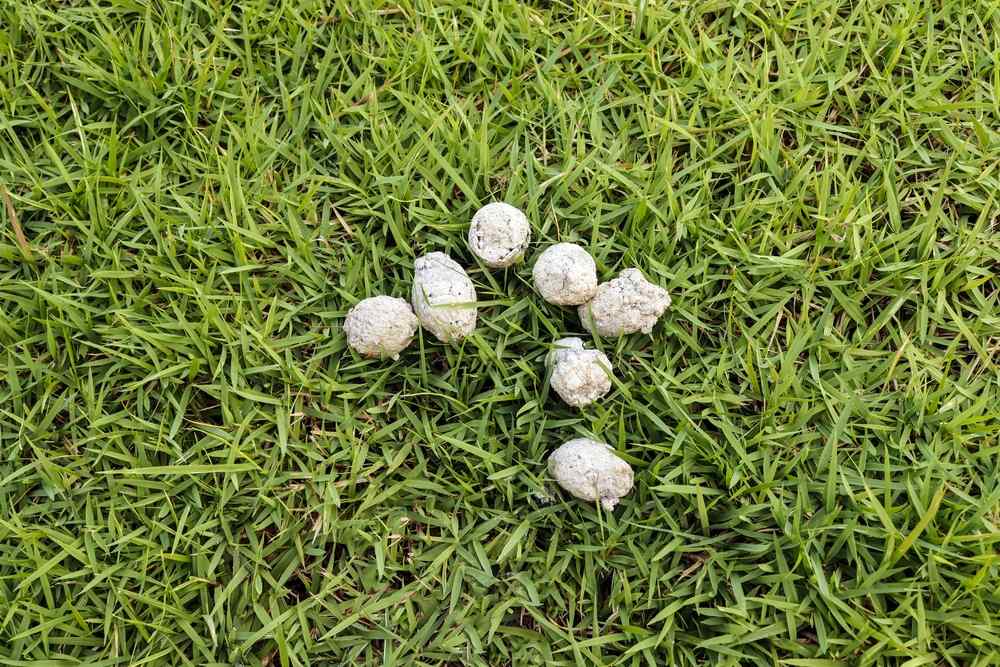
- Fresh and chalky: White, pale gray, or off-white when it hits the ground — harder and more crumbly than normal, often described as dried clay or compressed chalk. This is the version worth paying attention to.
- Old and bleached: Any stool left in the sun long enough will fade to white. UV breaks down organic material, leaving behind pale mineral residue. If you’re not sure when it was deposited, this may be all it is.
If the stool is fresh and came out white, that suggests something is happening inside your dog’s body. Let’s break down what could be happening in the next section.
What Causes White Dog Poop?
1. Too Much Calcium in the Diet
This is the most common cause — and the least alarming. Dogs fed raw diets with a high proportion of bones, bone meal, or calcium supplements often produce pale, chalky stools. Excess calcium that isn’t absorbed exits the body and oxidizes, turning that recognizable white and crumbly color.
Raw-fed dogs eating poultry frames, turkey necks, or marrow bones regularly are especially prone to this. While not usually dangerous, too much calcium can cause constipation over time. If your dog is straining to pass stools, the bone content in the diet likely needs adjusting.
2. Bile Duct Problems and Liver Disease
This is where things get more serious. Bile — produced by the liver — is what gives stool its characteristic brown color. When bile flow is reduced or blocked, stool loses that pigmentation and turns pale, gray, or white.
Liver disease, bile duct obstruction, or gallbladder dysfunction can all cause this. If your dog’s fresh stool is consistently pale and it hasn’t been eating a bone-heavy diet, that’s a potential sign of a hepatic issue. Watch for other symptoms: yellowing of the eyes or gums, vomiting, lethargy, and appetite loss.
3. Pancreatic Insufficiency
The pancreas produces enzymes essential for breaking down fats, proteins, and carbohydrates. When it doesn’t produce enough — a condition called Exocrine Pancreatic Insufficiency (EPI) — fat passes through the digestive tract largely undigested.
The result is pale, greasy, foul-smelling stool, often clay-colored or white. EPI is frequently accompanied by weight loss despite a normal appetite, a dull coat, and chronic digestive upset. Any dog can develop it, though German Shepherds and Rough Collies are more predisposed.
4. Digestive Malabsorption
Sometimes white poop signals a broader nutrient absorption problem. If your dog’s gut isn’t processing food efficiently — due to low stomach acid, enzyme deficiency, or chronic inflammation — undigested material shows up in the stool, altering both color and texture. You may also notice bloating, inconsistent stool texture, or a dog who seems perpetually hungry but isn’t thriving.
5. Old Poop That’s Been Outside
Here’s a reassuring one: any dog stool left in the sun will eventually bleach white. UV rays break down organic material, leaving behind pale mineral residue. If you’re not sure when the deposit was made, this may simply be decomposition at work — not a health concern at all.
Is White Dog Poop Dangerous?
It truly depends on the cause. Here’s a quick assessment checklist:
- Dry and crumbly after a bone-heavy meal? Likely dietary. Adjust bone intake and monitor.
- Fresh, pale gray, with no dietary explanation? Potentially serious — could signal liver, gallbladder, or pancreatic involvement.
- Accompanied by vomiting, lethargy, or weight loss? Call your vet. These systemic symptoms need professional evaluation.
- Isolated occurrence and your dog seems fine? Keep watching, but don’t panic.
What Color Should Healthy Dog Poop Be?
Healthy dog stool is brown, firm, but not rock-hard, log-shaped, and consistent day to day. Any sustained color change, whether white, yellow, black, or red, is worth discussing with your vet. Your dog’s stool is one of the most honest windows into their internal health, and while not always a pleasant topic, a critical health indicator to pay attention to.
Give Your Dog’s Gut the Support It Deserves
Unusual stool color is often your dog’s way of telling you their digestive system needs support. Whether dealing with bile duct issues, poor nutrient absorption, or general digestive imbalance, our digestive and stomach health products are formulated to restore balance, improve nutrient uptake, and promote optimal gastrointestinal function. Give your dog the digestive support they need for healthy, normal stools.
Frequently Asked Questions
Why is my dog’s poop white?
White dog poop is most often caused by excess calcium from a bone-heavy or raw diet. It can also result from liver disease, bile duct obstruction, or pancreatic insufficiency — conditions that disrupt bile production and fat digestion, leaving stool pale or chalky.
Is white dog poop dangerous?
Not always. White poop from dietary calcium is usually harmless, though it may cause constipation. However, fresh white or pale-gray stool unrelated to diet can signal serious conditions like liver disease or EPI. If other symptoms are present, see your vet.
What does it mean when dog poop turns white after sitting outside?
Dog feces naturally bleach white over time when exposed to sun and air. UV rays break down organic material, leaving behind pale mineral residue. This is a normal decomposition process, not a health concern.
Can eating bones cause white dog poop?
Yes. Bones are high in calcium, and when consumed in excess, the unabsorbed calcium passes through the digestive tract and appears as white, chalky stool. Raw-fed dogs who eat a high proportion of bones are especially prone to this.
What color should healthy dog poop be?
Healthy dog stool should be a consistent chocolate brown, firm but pliable, and log-shaped. Any significant or sustained color change — white, pale gray, yellow, black, or red — is worth monitoring and discussing with your veterinarian.




Leave A Comment