

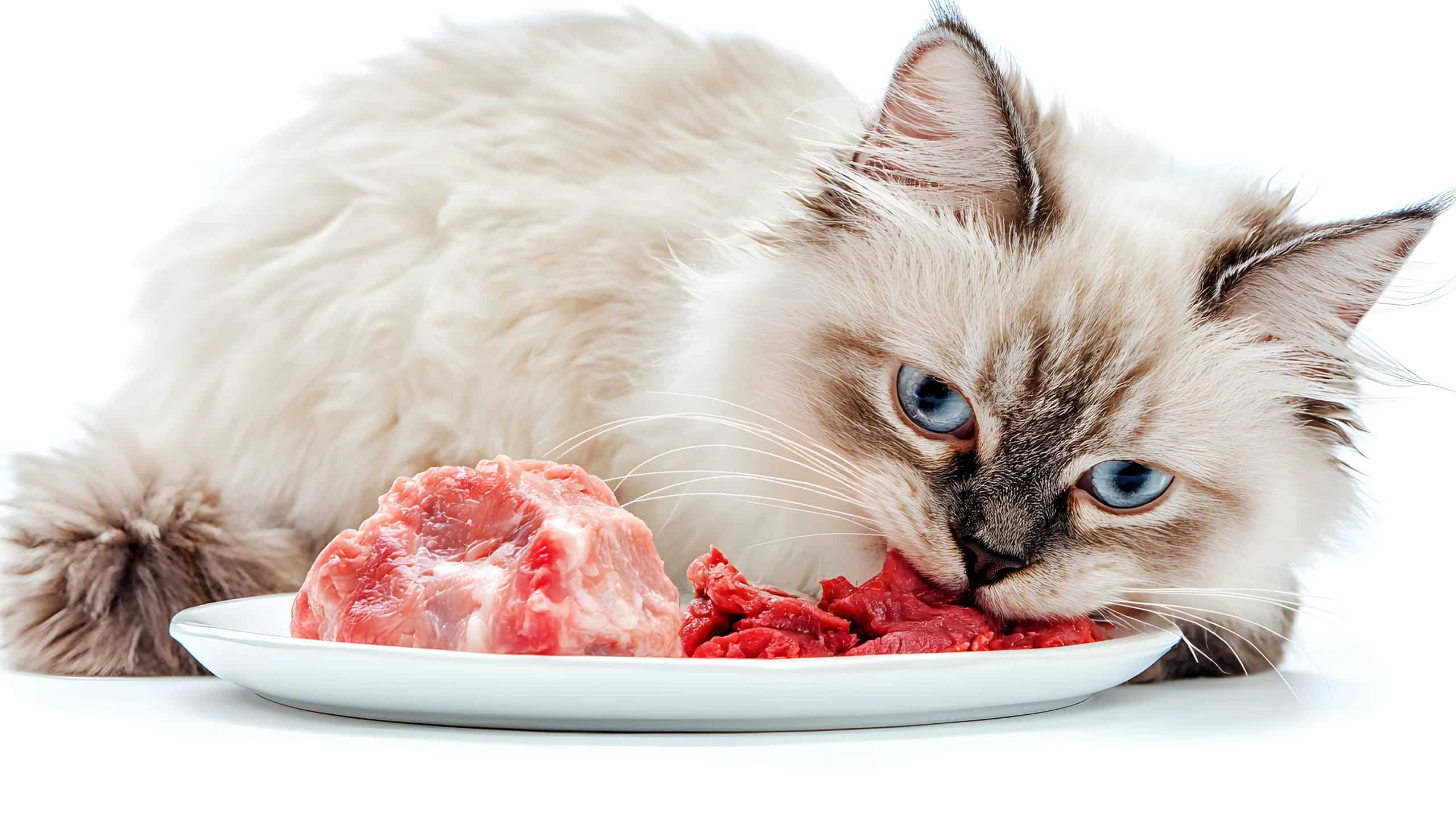
Balanced Homemade Cat Food Recipe (Moisture-Rich & Mineral-Safe)
Homemade cat food can be one of the most powerful ways to support your cat’s health—especially for cats dealing with digestive issues, inflammation, kidney stress, or chronic illness.
At Vitality Science, we’ve learned that before supplements, before protocols, and before anything complicated,
food sets the foundation for healing.
Why Make Homemade Cat Food?
Even the highest-quality commercial cat foods are still processed. Processing alters fats, destroys enzymes,
and requires synthetic nutrients to replace what was lost.
Fresh homemade food helps:
- Improve hydration
- Support digestion
- Reduce inflammatory burden
- Provide highly bioavailable nutrients
- Remove unnecessary additives
For many cats, especially those with health challenges, changing the diet can be a turning point.
🐾 Homemade Cat Food Recipe (Weekly Batch)
Yield: ~28–30 oz (about 7 days for an average adult cat)
Prep Time: 20 minutes
Cook Time: None (raw, fresh preparation)
Ingredients (U.S. Measurements)
- 14 oz (about 3 cups) boneless chicken thighs or breast
- 7 oz (about 1¼ cups) chicken or beef heart
- 4 oz (about ¾ cup) chicken gizzards
- 3 oz (about ½ cup) chicken liver
- ⅔–¾ cup filtered water
- 1⅔ teaspoons
Lithothamnium calcium for homemade cat food - Very small pinch of iodized salt
- Add at mealtime:
Vital Pet Lipids omega-3 oil for cats —
¼ teaspoon per day
Optional digestive support:
GI Distress for cats
(add at serving time if needed)
Why These Ingredients Matter
Muscle Meat (Chicken)
Provides complete protein, natural fats, and energy.
Heart
A critical source of taurine, CoQ10, and B vitamins—essential for heart, eye, and neurological health.
Gizzards
Support digestive strength and healthy gut motility.
Liver
Supplies vitamin A, iron, copper, and trace minerals in controlled amounts.
Calcium Balance (Do Not Skip This Step)
Muscle meat and organs are high in phosphorus and very low in calcium.
In nature, cats get calcium from raw bones.
When bones aren’t fed, calcium must be added intentionally.
The ideal calcium-to-phosphorus ratio for adult cats is approximately
1.1–1.3 : 1.
We prefer
Lithothamnium calcium
over bone meal because it provides clean, bioavailable calcium with predictable mineral content and gentle digestion.
👩🍳 How to Make Homemade Cat Food
- Trim and clean all meats and organs.
- Add meats to a blender or food processor.
- Blend to your cat’s preferred texture (smooth or slightly chunky).
- Add filtered water, Lithothamnium, and salt.
- Blend briefly until evenly combined.
- Portion into daily servings.
- Freeze immediately.
Serving Instructions
- Thaw in the refrigerator for 24 hours
- Warm slightly with warm water before serving
- Add oils and tinctures fresh at mealtime
Do not freeze oils. Omega-3 fats are delicate and must be added fresh.
🐱 How to Transition Your Cat Safely
Cats imprint on food. Sudden changes can cause refusal.
- Start with 1–2 teaspoons mixed into current food
- Increase gradually over days or weeks
- Serve food close to body temperature
- Use a single protein (chicken works well)
If a cat refuses food for more than 24 hours, slow down.
Stress shuts down digestion.
Where Supplements Fit In
Supplements are never meant to replace food.
They work best when the diet is clean, moisture-rich, and mineral-balanced.
If additional support is needed, layer in
targeted cat supplements
based on your cat’s individual needs.
🖨 Printable Recipe Card
Click here to print this recipe
“Beloved, I pray that you may prosper in all things and be in health.” — 3 John 1:2
Homemade feeding isn’t about perfection.
It’s about intention, stewardship, and love.
When we nourish our cats with care and wisdom,
we partner with the way their bodies were designed to thrive.


Leave A Comment