

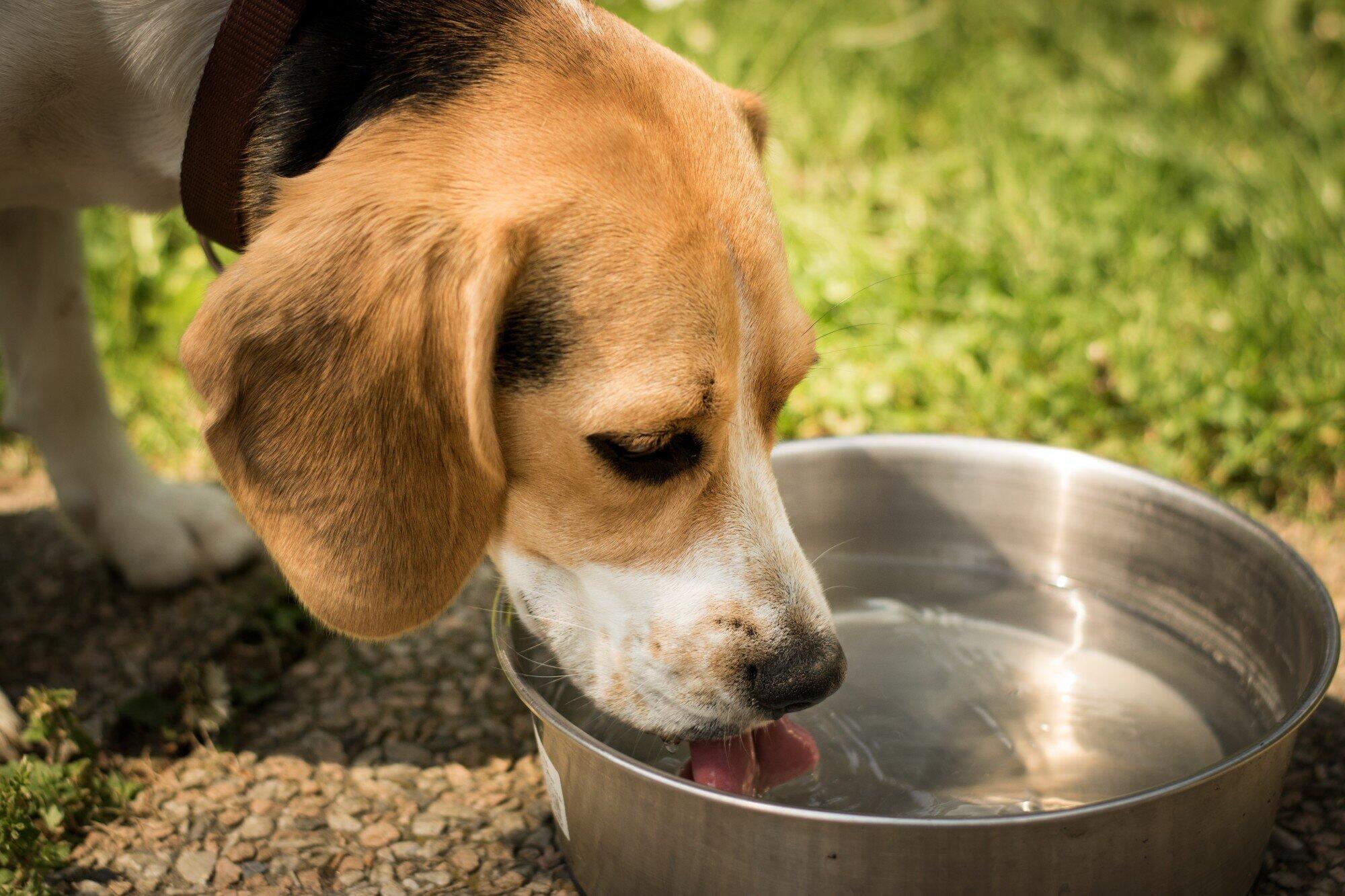
One loose stool might not set off alarms. But when your dog is rushing to the door, uncomfortable, and you’re scrubbing messes off the floor for the third time today, it’s clear: dog diarrhea isn’t just a minor inconvenience. It’s a warning sign. And whether it’s from something they grabbed in the yard or a deeper imbalance, ignoring it could make things worse.
Fast action, the right support, and a little know-how can make a big difference. Read on if you’re ready to get your dog back on track and avoid this mess again.
Common Causes of Dog Diarrhea
Diarrhea tends to be one of the most common reasons dogs end up uncomfortable and out of sorts. The causes of dog diarrhea are usually tied to something that disrupts their stomach and intestines, yet sometimes it runs deeper.
For instance, one of the most overlooked causes is stress. New environments, a change in routine, or even loud noises could easily upset your dog’s digestion.
Sometimes, it’s something as simple as your dog stealing table scraps or munching on things outdoors. This is often labeled as dog overeating, especially when dogs eat more than usual during holidays or parties.
Another common issue is the presence of parasites in dogs, such as:
- Roundworms
- Hookworms
- Giardia
These critters, unfortunately, are responsible for many lingering diarrhea cases, especially in younger dogs. Infections caused by bacteria or viruses can also throw your dog’s digestion out of balance.
Some dogs also react poorly to medications. Antibiotics, for example, can sometimes cause loose stools by disturbing the natural gut flora. In other cases, food sensitivities or allergies play a role, which might make certain commercial foods problematic.
What to Watch For: Symptoms That Matter
Some pet owners brush off diarrhea as “normal” or “no big deal.” Still, the details actually matter. Changes in stool color, texture, or frequency can give you useful clues.
For example, yellow diarrhea could indicate liver or gallbladder concerns, while black or tarry stool might signal internal bleeding.
In some respects, the stool itself tells only part of the story. Additional symptoms like vomiting, lethargy, or signs of dehydration (such as sunken eyes or dry gums) may mean you’re dealing with something more serious.
In mild cases, you can often manage symptoms at home. However, if symptoms worsen or new ones develop, reaching out to your veterinarian might be necessary.
Hydration is absolutely key. Even mild diarrhea can make dogs lose fluids fast.
At-Home Care Tips During an Episode
When diarrhea strikes, acting quickly and calmly helps. Many holistic practitioners suggest fasting your dog for about 12 to 24 hours. This gives the digestive system a break, yet still allows water access to prevent dehydration.
A bit of fasting can be helpful, but make sure not to extend it too long, especially for small or senior dogs.
After fasting, you can reintroduce simple, bland foods. Boiled chicken and white rice are the go-to combination, but plain pumpkin or bone broth might work just as well. Keep meals small and frequent, as large portions could irritate the gut further.
Your dog should also rest somewhere quiet, away from noise and excitement. Stress often makes diarrhea worse, so the calmer the environment, the better.
Some natural products may help, too. For example, digestive-support powders like Canine Comfort or liquid herbal formulas such as GI Distress are gentle options. These types of products sometimes support gut balance without introducing harsh chemicals.
Keep monitoring stool consistency and behavior closely during this time. Some dogs bounce back within a day or two, while others might take slightly longer depending on the cause.
Supporting Recovery and Gut Rebalance
Once the diarrhea settles, your focus should shift toward restoring your dog’s gut health. This is where dog digestive health really comes into play. Supporting the gut helps prevent future episodes and strengthens their immune system.
According to the Cornell University College of Veterinary Medicine, around 70% of a dog’s immune system resides in the gut. So, getting it back in shape is actually critical.
One effective way to do this is by introducing beneficial probiotics. For instance, soil-based probiotics, like Pet Flora, can help replenish the good bacteria that may have been lost.
Digestive enzymes, like those found in Super Pet Enzymes, sometimes help with long-term recovery, especially if poor digestion contributed to the issue. These enzymes may improve nutrient absorption and reduce strain on the stomach.
Detoxification might be worth considering too, especially if your dog got into something questionable. Gentle detoxifiers such as Zeolite Plus and Luxolite can help bind and remove lingering toxins without stressing the digestive tract.
If your dog still has loose stools after recovery, natural calcium sources like Lithothamnium could be helpful. It works well for watery stools but isn’t recommended if stools are already firm.
Prevention: Keeping Your Dog’s Digestion Strong
Preventing future diarrhea is easier than most people think. Often, it’s about being mindful of what goes into your dog’s body and how you manage their daily routine.
Dogs typically do well on stable, consistent diets. Frequent switching between kibble brands or feeding table scraps tends to disrupt their stomachs.
Preventing dog diarrhea also means keeping stress levels low. Dogs feel stress similarly to humans, and it tends to affect their gut first. Loud environments, inconsistent schedules, or new pets can all make dogs uneasy. A bit of extra patience during big changes usually helps.
Parasite control is still an issue many overlook. Parasites in dogs are more common than you might guess, especially if your dog visits parks, drinks from puddles, or interacts with other animals regularly.
Support Recovery the Gentle Way
Handling dog diarrhea doesn’t have to feel overwhelming when you understand the causes and have safe, effective tools for recovery. This article walked you through the possible causes, how to respond, and what it takes to restore gut balance naturally.
At Vitality Science, we take dog digestive health seriously. We don’t rely on fillers or quick fixes; our formulas are built from pure, time-tested ingredients like Zeolite, Humic Acid, and soil-based probiotics. Our focus is real results and long-term wellness, especially for dogs with sensitive systems.
Check out our diarrhea support products and get them back to feeling their best.


Leave A Comment